
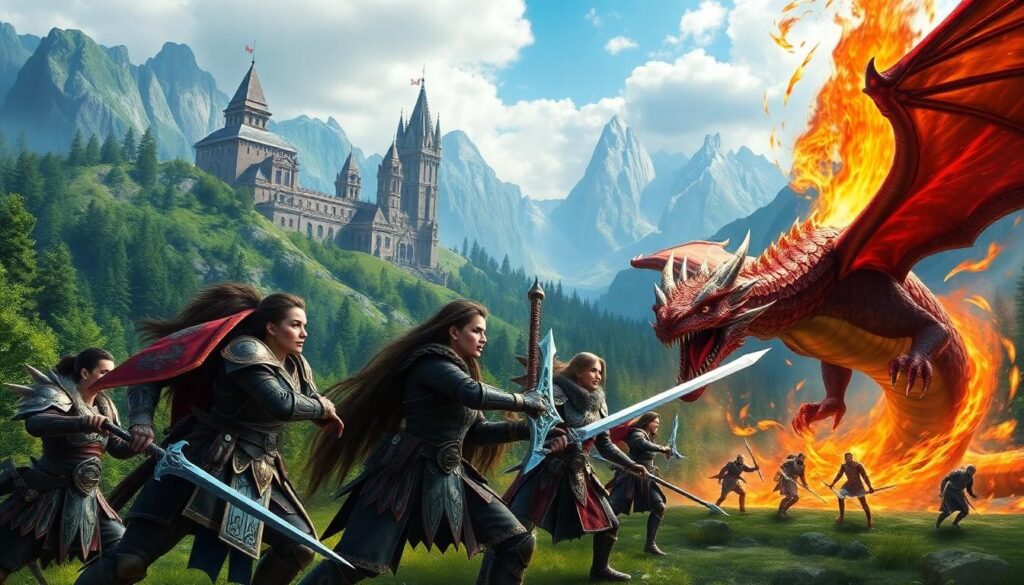
In a world where dragons roam and heroes rise, MMORPGs offer an escape like no other. These massively multiplayer online role-playing games invite players to dive into vast, immersive universes where they can slay monsters, forge alliances, and maybe even save the kingdom—while wearing pajamas, of course. Who wouldn’t want to trade their morning commute for a magical quest?
Overview of MMORPGs
MMORPGs, or massively multiplayer online role-playing games, create expansive digital universes where thousands of players interact. Players immerse themselves in various roles, crafting unique characters that align with their gameplay styles. Adventure unfolds through engaging quests that require teamwork to defeat formidable foes.
These games embrace a mix of genres, blending elements of action, strategy, and storytelling. An intricate economy exists within these worlds, allowing players to trade items and resources. Clans or guilds often form, providing social structures that foster community and collaboration.
Navigation through vast landscapes becomes an essential part of the experience. Players explore dungeons, traverse cities, and journey across wilderness, each filled with unique challenges. Regular updates introduce new content, ensuring fresh experiences.
Character progression remains vital, offering a sense of achievement. Leveling up unlocks new abilities that enhance gameplay. Players can customize their avatars, tailoring appearance and skills to fit their desired playstyle.
Player motivations vary widely. Some seek competitive gameplay through player versus player (PvP) battles, while others may prefer cooperative quests that emphasize strategy and teamwork. Engagement in community events adds another layer of excitement, often accompanied by in-game rewards.
Ultimately, MMORPGs embody a blend of creativity, strategy, and social interaction. The appeal lies not only in escaping reality but also in the thrill of shared experiences.
Key Features of MMORPGs

Massively multiplayer online role-playing games stand out due to their unique features. These elements not only enhance gameplay but also foster community among players.
Persistent Worlds
Persistent worlds continue to exist and evolve even when players log off. These digital environments remain active, enabling continuity in gameplay. Events like in-game time and changes made by players significantly influence the world. Players’ actions contribute to a living, breathing ecosystem. Each session feels impactful, as the consequences of previous adventures linger. Expansive landscapes, rich in detail, invite exploration and discovery, ensuring that every visit reveals new opportunities.
Player Interaction
Player interaction thrives in MMORPGs through various channels. Players can engage in chat, form teams, or trade items within these vibrant communities. Collaborative quests encourage teamwork, creating a sense of camaraderie. Competitive elements, such as PvP battles, foster rivalries, adding excitement. Shared experiences enhance relationships, making it easy for players to connect. Guilds and clans often serve as social hubs, bringing individuals with similar interests together. Community events frequently arise, drawing players into unique challenges and activities.
Character Customization
Character customization offers players a chance to craft their unique identities. Detailed options allow players to modify appearance, skills, and abilities. Each character reflects personal play styles, enhancing immersion. Choices like race and class influence gameplay, impacting interactions with the game world. Players can also acquire gear and items, further defining their characters. This depth of customization fosters attachment, making each character special. In-game achievements can unlock even more options, providing additional motivation for players to explore.
Popular MMORPG Titles
Players immerse themselves in a variety of MMORPG titles that cater to different preferences. Classic and modern options each bring unique experiences.
Classic MMORPGs
Several classic MMORPGs set the standard for the genre. World of Warcraft, released in 2004, remains highly influential, featuring rich lore, expansive quests, and a vast player base. EverQuest, launched in 1999, introduced complex social systems and groundbreaking graphics for its time. Ultima Online pioneered the immersive experience of virtual worlds, emphasizing player interaction. These titles helped shape the MMORPG landscape, establishing foundational gameplay mechanics that many modern games continue to utilize.
Modern MMORPGs
Modern MMORPGs showcase advancements in technology and storytelling. Final Fantasy XIV, with its detailed narrative and engaging character development, attracts a dedicated following. Guild Wars 2 innovates with dynamic events, allowing players to influence the world around them. The Elder Scrolls Online integrates beloved lore from the franchise, offering players an expansive universe to explore. These contemporary games often emphasize accessible gameplay while maintaining rich social interactions and customizable character experiences.
The Appeal of MMORPGs
MMORPGs captivate players through their vast worlds and community engagement. Players connect with others, fostering friendships while collaborating on quests and challenges.
Community and Social Aspects
Community thrives in MMORPGs, where thousands interact in a shared environment. Players join clans or guilds that foster teamwork and camaraderie. Events and group missions strengthen these bonds, creating lasting relationships. Communication tools enhance these connections, allowing for strategic planning and casual conversations. Players often create forums and social media groups to discuss strategies and share experiences, enriching the overall gaming community. Inclusivity encourages participation from diverse players, promoting a sense of belonging. This vibrant social fabric offers not just gameplay but also shared experiences that extend beyond the screen.
Gameplay and Immersion
Gameplay in MMORPGs immerses players in richly crafted narratives and dynamic environments. Characters evolve through skill progression, providing a customizable experience based on individual choices. Players undertake quests that blend action and strategy, often requiring collaboration to conquer challenges. Environments expand, featuring diverse landscapes filled with lore and adventure. Unique game mechanics invite exploration, pushing players to delve into every corner of the virtual world. This immersion enhances emotional investment, making victories feel rewarding and losses impactful. The interplay of character development and storytelling keeps players engaged for hours, deepening their connection to the game.
Challenges Faced by MMORPG Players
MMORPG players face several challenges that can impact their gaming experience. Two significant concerns include time commitment and in-game economy issues.
Time Commitment
Time investment for MMORPGs can become significant. Players often find themselves dedicating hours to complete quests, level up characters, and engage in raids. This dedication can lead to social and physical consequences, especially if balance in life suffers. Pursuing personal relationships or work commitments may take a backseat, leading to burnout. Game developers design content that encourages ongoing engagement, making it challenging for players to step away. Players regularly engage in activities that require coordination, such as team-based quests, adding to the gaming hours. Ultimately, recognizing the time spent in-game can help mitigate potential negative effects.
In-Game Economy Issues
In-game economies in MMORPGs bring unique challenges, including inflation and trade imbalances. Prices for items and resources can fluctuate, impacting players’ ability to acquire necessary tools or gear. Players often face hurdles caused by real-money trading, which disrupts the in-game economy and creates unfair advantages. Cheating and exploits can also distort market dynamics, making gameplay less enjoyable. Stockpiling items for future use encourages speculation, which can strain the overall game economy. Developers continually monitor these issues, implementing adjustments to stabilize economies and ensure fair play. Addressing in-game economy concerns enhances player experiences and maintains game integrity.
Conclusion
MMORPGs offer a unique blend of adventure and social interaction that captivates players worldwide. These games create vast universes where individuals can escape reality and immerse themselves in rich narratives. With character customization and engaging quests, players forge connections and build communities that enhance their gaming experience.
While challenges like time commitment and in-game economy issues exist, the allure of teamwork and shared victories keeps players coming back. The evolution of MMORPGs continues to shape the gaming landscape, ensuring that they remain a popular choice for those seeking both excitement and camaraderie.


